How to Clean a Sink Drain in Tempe Homes
How to clean a sink drain in a Tempe home: pull and rinse the stopper or strainer, flush the drain with hot water, then plunge or clean the P-trap if it is still slow. Most bathroom and kitchen sink clogs are hair, grease, soap and scale near the top of the drain, so start there.
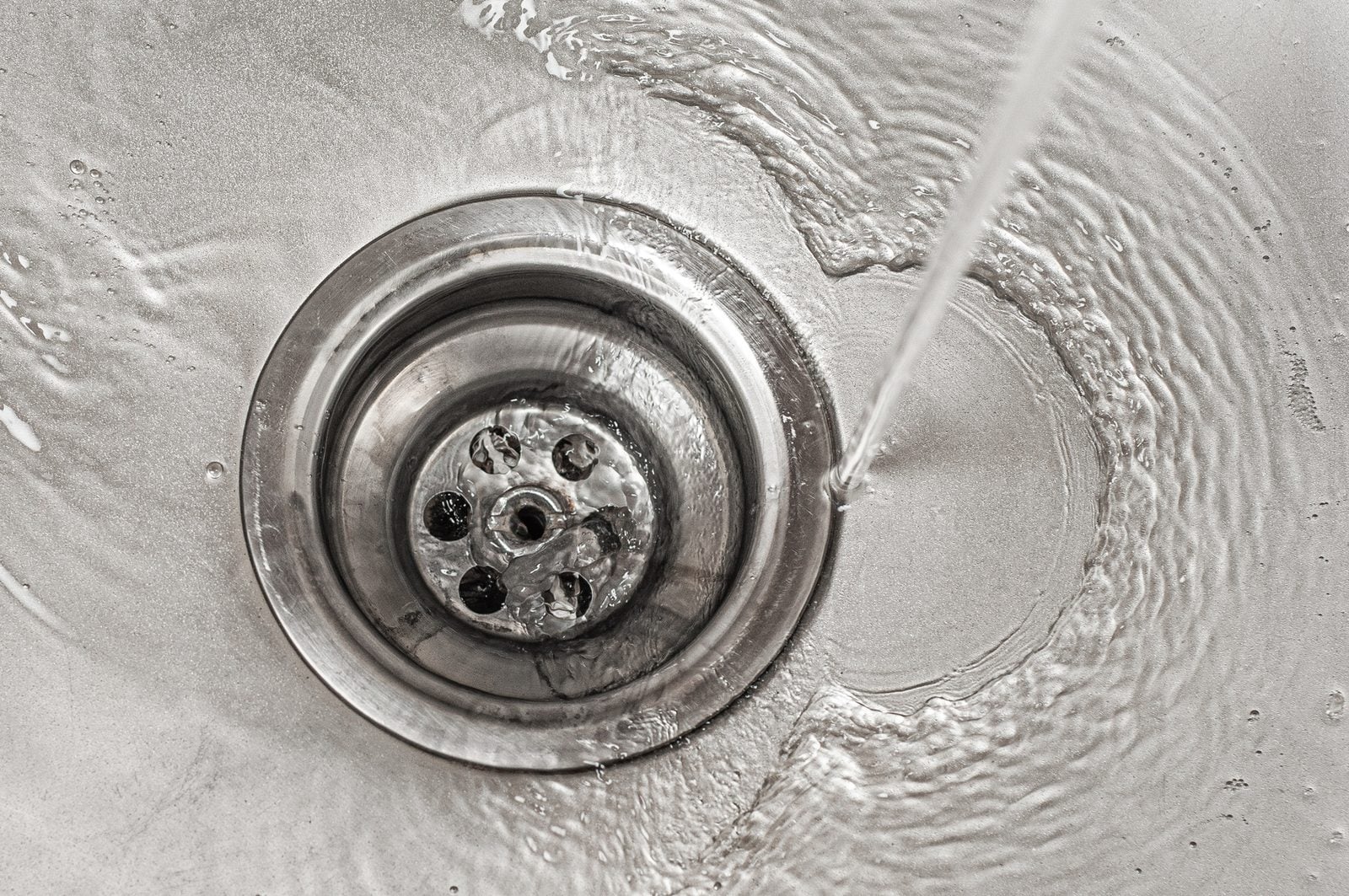
- Most sink clogs sit close to the drain opening: in the stopper, the strainer or the curved P-trap under the sink.
- Hair and soap scum clog bathroom sinks. Grease, food scraps and coffee grounds clog kitchen sinks.
- A plunger, a small hand snake and a bucket handle most simple sink clogs without chemicals.
- If several drains are slow at once, the problem is likely further down the line, not in the sink.
- Hard water is common in the East Valley. Mesa's 2025 report gives average hardness of about 12 to 16 grains per gallon depending on zone.
How do you clean a sink drain step by step?
To clean a sink drain in a Tempe home, work from the top down: remove and rinse the stopper or strainer, flush with hot water, plunge, and then clean the P-trap if water still drains slowly. Each step reaches a little further into the pipe, and most clogs clear in the first two or three.
- Clear the opening. Pull out the pop-up stopper or kitchen strainer basket and wipe off hair, gunk and food bits.
- Flush with hot water. Run very hot tap water for a minute or two to soften soap and grease.
- Plunge. Use a cup plunger with a few inches of water in the sink to push and pull the clog loose.
- Clean the P-trap. Put a bucket under the curved pipe, loosen the slip nuts by hand, and rinse the trap out.
- Use a hand snake. If the trap is clean but the sink is still slow, feed a small drain snake into the wall pipe.
- Test. Reassemble, run water for a full minute, and check under the sink for drips.
How do I clean a bathroom sink stopper and overflow?
Most bathroom sink stoppers lift out or come free when you loosen the pivot nut on the back of the drain pipe under the sink. Pull the stopper up, clean off the hair and slime, rinse it, and put it back. This one step fixes a large share of slow bathroom sinks.
If the stopper will not lift out, look under the sink for a horizontal rod attached to the drain pipe. Loosen the nut that holds the rod, slide it back, and the stopper should come free. Keep a towel under the nut, since a little water may drip.
The small overflow hole near the top of the bowl also collects grime and can smell. Scrub it with a small brush and flush it with hot water.
Does baking soda and vinegar really clean a sink drain?
Baking soda and vinegar can help freshen a sink drain and loosen light buildup, but it will not clear a real clog. The fizzing looks busy, yet it has little force. Use it for routine cleaning and odor, not for a sink that is holding water.
If you want to try it, pour about a half cup of baking soda into the drain, follow with a cup of white vinegar, cover the opening for 10 to 15 minutes, and flush with hot tap water. Many people use very hot tap water rather than a full kettle of boiling water, especially with plastic drain pipes or older porcelain sinks.
Need help now? Call to be connected with a local provider in Tempe who can check availability for your address.
How do I clean the P-trap under my sink?
The P-trap is the curved pipe under the sink that holds a small amount of water to block sewer gas. To clean it, set a bucket underneath, loosen the two slip nuts by hand, pull the trap off, empty it, and scrub it out with a bottle brush before putting it back.
A few tips that make this easier:
- Clear the cabinet first and lay down a towel. The trap will be full of dirty water.
- Check the rubber washers. If one is cracked or missing, the trap may leak after you put it back.
- Hand-tighten the nuts, run water, and tighten a little more only if you see a drip.
If a metal trap is badly corroded or the nuts will not move, stop. Forcing it can crack the pipe in the wall, which turns a cleaning job into a repair.
How do I unclog a sink drain with a plunger or a drain snake?
A cup plunger works on a sink when it can seal. Fill the sink with a few inches of water, cover the overflow hole with a wet rag, and pump firmly 10 to 15 times. On a double kitchen sink, plug the other side so the pressure goes into the clog, not up the other drain.
A small hand snake, also called a drain auger, reaches further. Feed it into the drain or into the wall pipe after removing the P-trap, turn the handle as you push, and pull back slowly when you feel it catch.
If the snake hits something solid and will not pass, or the clog comes right back, the blockage may be past the wall in a shared drain line. That is a good point to call for help rather than push harder.
Should I use chemical drain cleaner on a slow sink?
Chemical drain cleaners should be a last resort, if you use them at all. They can work on soft clogs, but they often sit in a fully blocked sink without clearing it, and they can splash when you plunge or open the trap afterward.
If you do use one, follow the label exactly, wear gloves and eye protection, and never mix products or follow one cleaner with another. Do not plunge a sink that has drain cleaner in it. If the product did not work, tell whoever opens the drain next what you used so they can take care.
How do I clean a smelly kitchen sink drain?
A smelly kitchen sink drain usually comes from food and grease stuck inside the drain or the garbage disposal. Scrub the strainer and the rubber splash guard, flush with hot soapy water, and run the disposal with cold water and a handful of ice to knock buildup off the grinding chamber.
Other common causes of sink odor:
- A dry trap. A sink that has not been used for weeks can lose the water in its P-trap. Run water for a minute to refill it.
Never put your hand into a garbage disposal. If it hums, jams or leaks, see our garbage disposal repair page for what to check safely.
How often should you clean a sink drain to keep it from clogging?
A quick weekly hot-water flush and a monthly stopper or strainer cleaning keep most Tempe sink drains flowing. Bathroom sinks with heavy hair use may need the stopper cleaned every couple of weeks. A simple prevention checklist:
- Weekly: flush each sink with hot tap water and a little dish soap.
- Monthly: pull and rinse bathroom stoppers and kitchen strainer baskets.
- Every day: scrape plates into the trash, not the sink. Keep grease, oil, coffee grounds and eggshells out of the drain.
- Use strainers: a mesh strainer in the kitchen and a hair catcher in the bathroom stop most clogs before they start.
When is a slow sink drain a sign of a bigger problem?
A slow sink drain is a sign of a bigger problem when cleaning the stopper and trap does not help, when more than one drain is slow, or when water backs up into a tub or another sink. Those point to a blockage in a shared drain or the main sewer line, not the sink itself.
Other warning signs include gurgling from nearby drains, a sewer smell that comes back after cleaning, and water under the sink cabinet. Our guide on telling a clogged drain from a sewer line problem walks through the checks.
What happens during the visit?
A local plumbing provider usually starts by asking what you have tried and how the sink behaves. They check the stopper, trap and nearby drains, and may run a cable or a camera into the line to find where the blockage sits.
Next, they explain what they found and the options, such as clearing the line, replacing a worn trap, or cleaning a longer section of drain. You should get a written quote before any work starts. Learn more on the drain cleaning page.
What should Tempe-area homeowners know about sink drains and hard water?
Hard water is common across the East Valley, and the mineral scale it leaves can make drains and fixtures harder to keep clean. Mesa's 2025 report gives average hardness of about 12 grains per gallon in its City Zone and 16 in its Eastern and Southern Zones. Chandler's 2025 report lists 10.1 to 16.8 grains per gallon. Scottsdale says scale can clog faucets, aerators and, in rare cases, pipes, and the City of Phoenix, which serves many homes in Ahwatukee and Arcadia, says hard water can cause scaling in pipes and on fixtures. Soap mixed with scale is part of why bathroom sink drains here can feel slow even when nothing big is stuck.
If a slow sink turns out to be a leak, act fast. The Arizona Department of Health Services lists constant plumbing leaks among indoor moisture sources and says to remove the moisture source before cleanup. The EPA says to dry water-damaged areas within 24-48 hours. If you hire help, you can look up a plumbing contractor in the Arizona Registrar of Contractors' online search; residential plumbing falls under the R-37 classification.
Whether you live in Tempe, Mesa, Chandler, Ahwatukee or Gilbert, call (480) 439-0083 to be connected with a local provider who can check availability for your address.
Related pages
Questions people ask
What is the easiest way to clean a sink drain at home?
Pull out the stopper or strainer, rinse off the hair and gunk, and flush the drain with very hot tap water. That clears most slow sinks. If it is still slow, plunge it or clean the P-trap.
How do I clean a sink drain without chemicals?
Use a plunger, a plastic hair-catching tool or a small hand snake, then flush with hot water. Cleaning the P-trap under the sink also works without any chemicals.
How do you clean a bathroom sink drain full of hair?
Remove the pop-up stopper and pull the hair off it, then use a barbed plastic drain tool to pull hair out of the pipe. Flush with hot water and put the stopper back.
Can I use baking soda and vinegar to clean my sink drain?
Yes, for freshening and light buildup. Pour in baking soda, then vinegar, wait 10 to 15 minutes and flush with hot water. It will not clear a sink that is holding water.
How do I take the stopper out of my bathroom sink?
Many stoppers lift straight out. If yours does not, loosen the nut on the horizontal rod behind the drain pipe under the sink, slide the rod back, and lift the stopper free.
How do I remove and clean the P-trap under my kitchen sink?
Put a bucket underneath, loosen the two slip nuts by hand, and pull the curved trap off. Empty it, scrub it with a bottle brush, and reinstall it hand-tight.
Why does my sink drain smell bad even after I clean it?
The smell may come from the garbage disposal, the overflow hole, a dry trap or a drain vent issue. If the odor keeps coming back, have the drain and vent checked.
Why does my kitchen sink keep clogging?
Repeat kitchen clogs usually come from grease, food scraps and coffee grounds building up in the pipe. If the clog returns within days, the buildup may be further down the line.
Is it safe to use a store-bought chemical drain cleaner?
They can work on soft clogs, but use them carefully and only as directed. Wear gloves and eye protection, never mix products, and do not plunge a sink with cleaner in it.
How often should I clean my bathroom sink drain?
Pull and rinse the stopper about once a month, or every couple of weeks if the sink gets a lot of hair. A weekly hot-water flush helps between cleanings.
Does hard water cause slow sink drains in Tempe?
It can play a part. Scale and soap scum build up together in drains and on fixtures. Scottsdale says scale can clog faucets, aerators and, in rare cases, pipes.
What should never go down a kitchen sink drain?
Keep grease, cooking oil, coffee grounds, eggshells, rice, pasta and fibrous scraps out of the sink. Scrape plates into the trash and use a mesh strainer.
Why is water coming back up in my other sink when I drain one?
Both sinks likely share a drain that is partly blocked past the point where they connect. Plunging one side while the other is open will not fix it. The shared line needs clearing.
When should I stop trying to clean a sink drain myself?
Stop if the clog comes right back, more than one drain is slow, water backs up elsewhere, or the pipes are corroded or leaking. Those are signs of a deeper problem.
Who can work on drain lines in an Arizona home?
Residential plumbing work in Arizona falls under the Registrar of Contractors' R-37 classification. You can look up a contractor in the ROC's online contractor search.
What should I do if my sink cabinet is wet after cleaning the drain?
Check that the P-trap nuts are snug and the washers are seated. If it still drips, dry the cabinet and get help. The EPA says to dry wet areas within 24-48 hours.
Who do I call in Tempe for a sink drain that will not clear?
Call (480) 439-0083 to be connected with a local plumbing provider in Tempe or nearby areas who can check availability for your address.
Talk to someone about your plumbing problem
Call to be connected with a local provider who can check availability for your address and explain the next step.