Working out which line is blocked
Testing fixtures in order to separate a branch blockage from a main line problem, so the right access point gets opened rather than the nearest one.
A drain that empties slowly is telling you something is building up in the line. Tempe Emergency Plumber clears it, then looks at why it blocked, because the same sink backing up three times a year is a pipe problem rather than a cleaning problem.
One slow fixture is usually a local blockage in that branch line. Several fixtures slowing at once, or a toilet bubbling when the washing machine drains, means the main line is involved, and that is a different job. Note which drains are affected before you call; it tells the plumber what to bring.
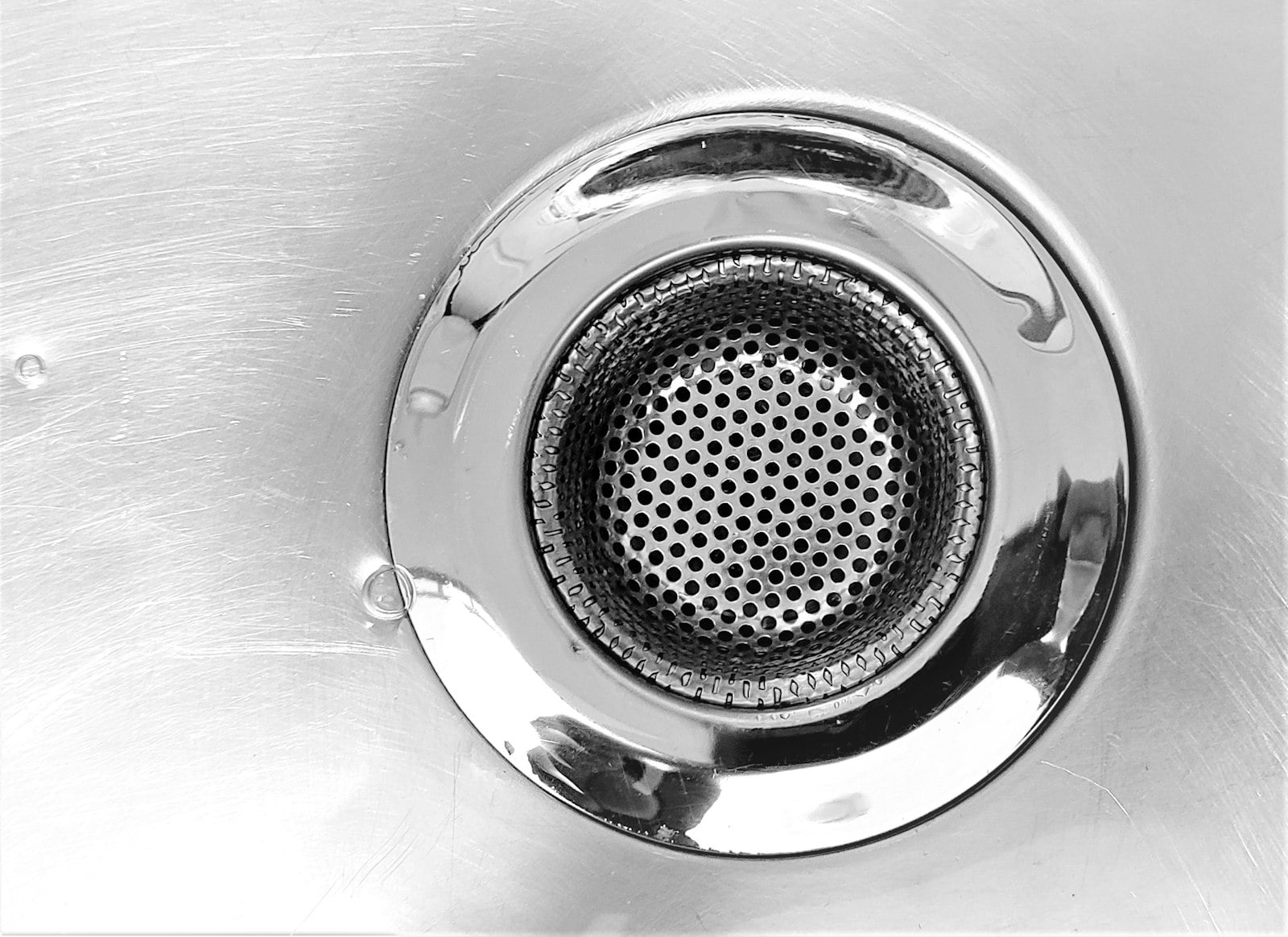
Clearing a drain is straightforward. Knowing whether you have just cleaned a healthy pipe or bought a few months on a failing one is the part that saves money.
Testing fixtures in order to separate a branch blockage from a main line problem, so the right access point gets opened rather than the nearest one.
A cable cuts through and pulls out most blockages. Jetting scours the pipe wall, which is what grease-loaded kitchen and restaurant lines actually need.
If the same line keeps blocking, a camera run shows whether the cause is roots, a belly in the pipe, scale or a break. You see the footage yourself.
Practical habits that keep it clear: what should never go down a kitchen line, and why grinding food waste into an old drain is a short-term answer.
Central Tempe and the streets around Arizona State University are full of houses from the 1950s, 1960s and 1970s, and many of them still run on their original drain lines. Cast iron scales and corrodes from the inside until the pipe wall is rough enough to catch everything that passes. Clay sections joined with mortar open small gaps as the ground shifts, and once a joint weeps, mesquite, ficus and citrus roots find it. Neither pipe is failing dramatically, but both narrow steadily, and the fixture furthest along the line is the first to complain.
Kitchen lines have their own problem. Hard water leaves scale on the inside of the pipe, and grease sticks to scale far better than it sticks to smooth pipe. That is why kitchen drains in these houses often block again a few months after cabling, and why jetting or a camera run is worth the extra step on the second visit rather than the fifth.
If more than one fixture is affected, read clogged drain or sewer line problem first, then look at sewer line repair. Hard-water scale does the same thing inside a tank, which our water heater repair page covers. Fixture-level problems are on the toilet and faucet repair page, and you can request a visit whenever you are ready.
It depends on which line is blocked, how it has to be reached and whether a camera run is needed. Clearing a bathroom sink through the trap and clearing a main line through an outside cleanout are different jobs. Tempe Emergency Plumber quotes the work on site before starting, and tells you if a camera inspection would change the answer.
We would leave it alone. It rarely shifts a solid blockage, it sits in the standing water above it, it can damage older cast iron and it makes the line hazardous for whoever opens the pipe next. A plunger on a single sink or toilet is fine. Past that, call rather than pour.
Because something about the pipe is holding material, not because the last cleaning was done badly. Roots at a joint, a sag that collects water, scale on the pipe wall or a break all cause a line to reblock on a schedule. A camera run shows which one it is, so you can decide between clearing it again and repairing it.
Usually, subject to availability. A single slow fixture is normally booked into the next open slot, while sewage coming back up into a tub or floor drain is treated as an emergency and goes first. Tell Tempe Emergency Plumber how many fixtures are affected and we will place it honestly.
Tell us which drains are slow and whether anything has come back up.