Proving the loss is outside
Meter readings with the house isolated, then with the main valve closed. That single comparison separates a yard leak from a leak under the slab or inside a wall.
Between the meter box near the street and the wall of your house runs one supply line with no shutoff of its own, so when it starts losing water none of it shows up indoors. Tempe Emergency Plumber proves the loss at the meter, pinpoints where the line gave up and prices the repair and the replacement side by side.
One test sorts most of this out before anyone digs. With the house quiet, lift the meter lid carefully and watch the low-flow indicator. If it is creeping, water is leaving the system somewhere. Then close the main valve where the supply enters the house, usually at the front near a hose bib or beside the softener loop in the garage, and look at the meter again. Still moving means the loss is outside, between the meter and that valve. Stopped means it is inside, and leak detection is the better place to start.
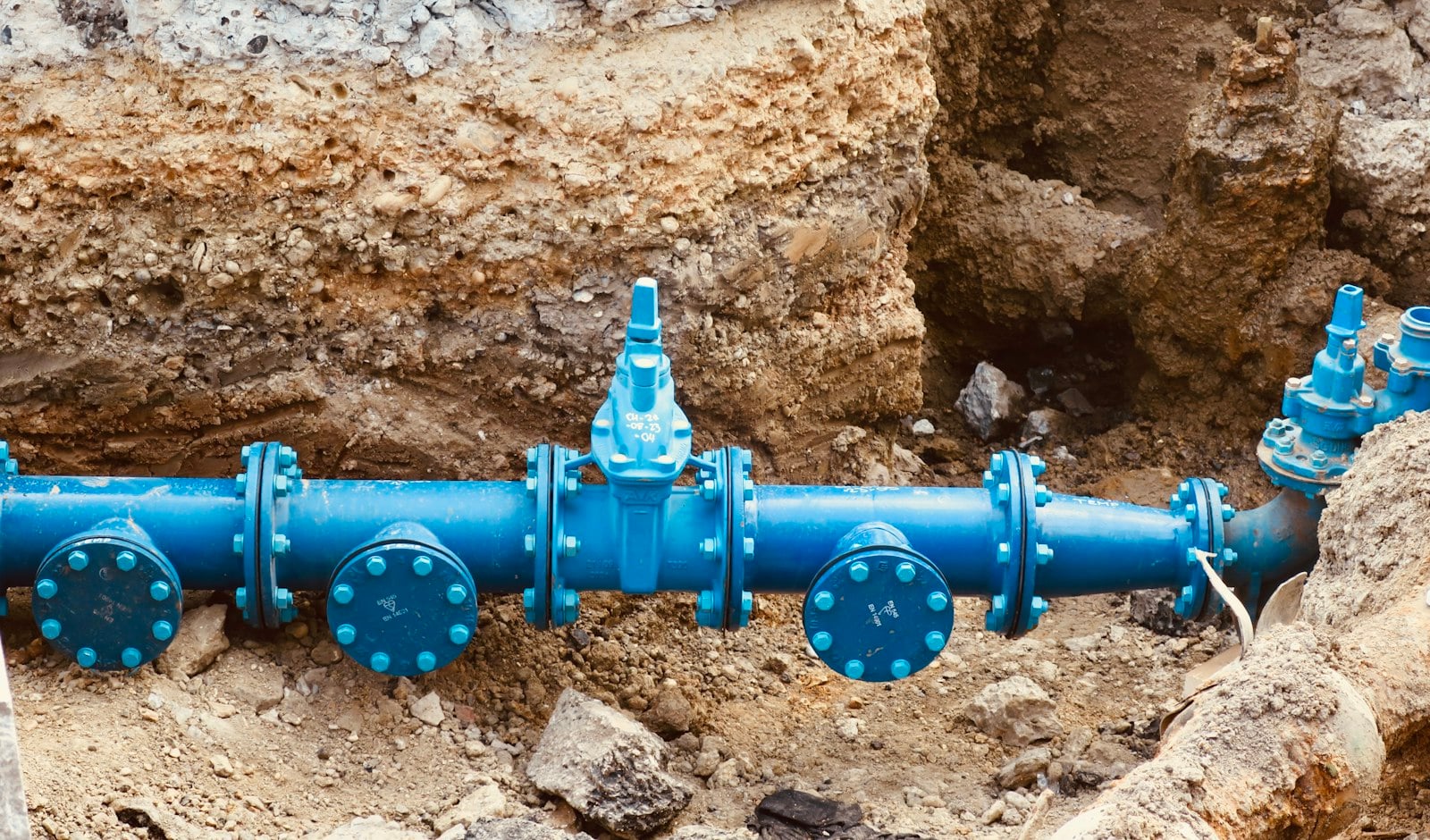
A buried line is expensive to guess at, so the visit is built around narrowing the problem down to a few feet of pipe before anything is opened up.
Meter readings with the house isolated, then with the main valve closed. That single comparison separates a yard leak from a leak under the slab or inside a wall.
The run is traced from the meter to the house and the line is pressure tested and listened to along its path, so the hole is located rather than the whole route being opened.
Where the rest of the pipe is sound and the damage is one failure, the section is excavated, cut out and replaced, then tested under pressure before the ground goes back.
A new line pulled through or alongside the old path, with a pit at each end instead of a trench across the front yard. It keeps gravel, pavers and mature plants where they are.
Sometimes the old path is unusable, the soil is full of caliche or the route bends too sharply for a pull. Then a trench is the honest answer, and you hear that before work starts.
A new main shutoff at the house, a check of the pressure regulator and the front hose bib, and a walk-through so you know where to turn the water off next time.
The age of the house tells you most of what to expect. Homes from the 1950s through the 1970s near Mill Avenue and the older streets by Arizona State University are on their original buried line unless a previous owner replaced it, and decades of very hard water and rocky, caliche-heavy soil are hard on a pipe that never gets looked at. Late 1980s and early 1990s neighborhoods are where polybutylene supply line turns up, which becomes brittle with age and tends to fail at the fittings. Newer subdivisions out east use polyethylene, which is tough but still gets nicked by fence posts, landscape stakes and trenching for other work.
Desert yards hide the evidence. In a lawn a leak shows as a bright green stripe, but under decomposed granite the water often runs sideways along the trench and surfaces at the curb, in a planter or not at all until the bill arrives. Drip irrigation makes it worse, because a damp patch gets blamed on the emitters. That is why the meter test comes first and the digging comes last.
If the pressure loss turns out to be inside the house instead, start with slab leak repair or burst pipe repair, depending on whether the water is under the concrete or spraying behind a wall. Not sure which one you have? Our how a service call works page explains how the diagnosis runs. Out in the newer southeast valley, see plumbing service in Queen Creek, or simply request a visit.
The pipe is the cheap part. What moves the figure is the length of the run, how deep it sits, what is on top of it — turf, granite, pavers, a concrete driveway — and whether one spot repair will do or the whole line needs replacing. Tempe Emergency Plumber works that out on site and gives you the price for each sensible option before anything is dug.
In most cases yes: water providers generally look after their side of the meter and the property owner owns the line from the meter to the house. Every utility writes its own rules, though, and some newer communities are served by private water companies rather than a city department, so call your provider and ask before you book work. See how that plays out in Queen Creek.
Often, yes. A trenchless pull needs only a pit at each end, which leaves the driveway, the gravel and mature landscaping alone. It is not always possible: a collapsed path, hard caliche, sharp bends or utilities crossing the route can all force an open trench. You will be told which one your property allows and why.
Close the main valve at the house if it turns easily, and fill a few containers first so you are not without water. Do not force a corroded valve or a meter valve that will not move, because snapping one turns a leak into a flood. Keep people and vehicles off the soft ground over the leak. Tell us what you are seeing and you will get a straight answer on how urgent it is.
Tell us what the meter is doing and where the wet ground is, and we will plan the visit around it.