Emergency Plumber in Tempe for Rental Homes
When a rental home needs an emergency plumber in Tempe, the first moves are the same for tenants and landlords: shut off the water, take photos, and get the right person on the phone. This guide explains who should call, what to document, and how to check a contractor before work starts.
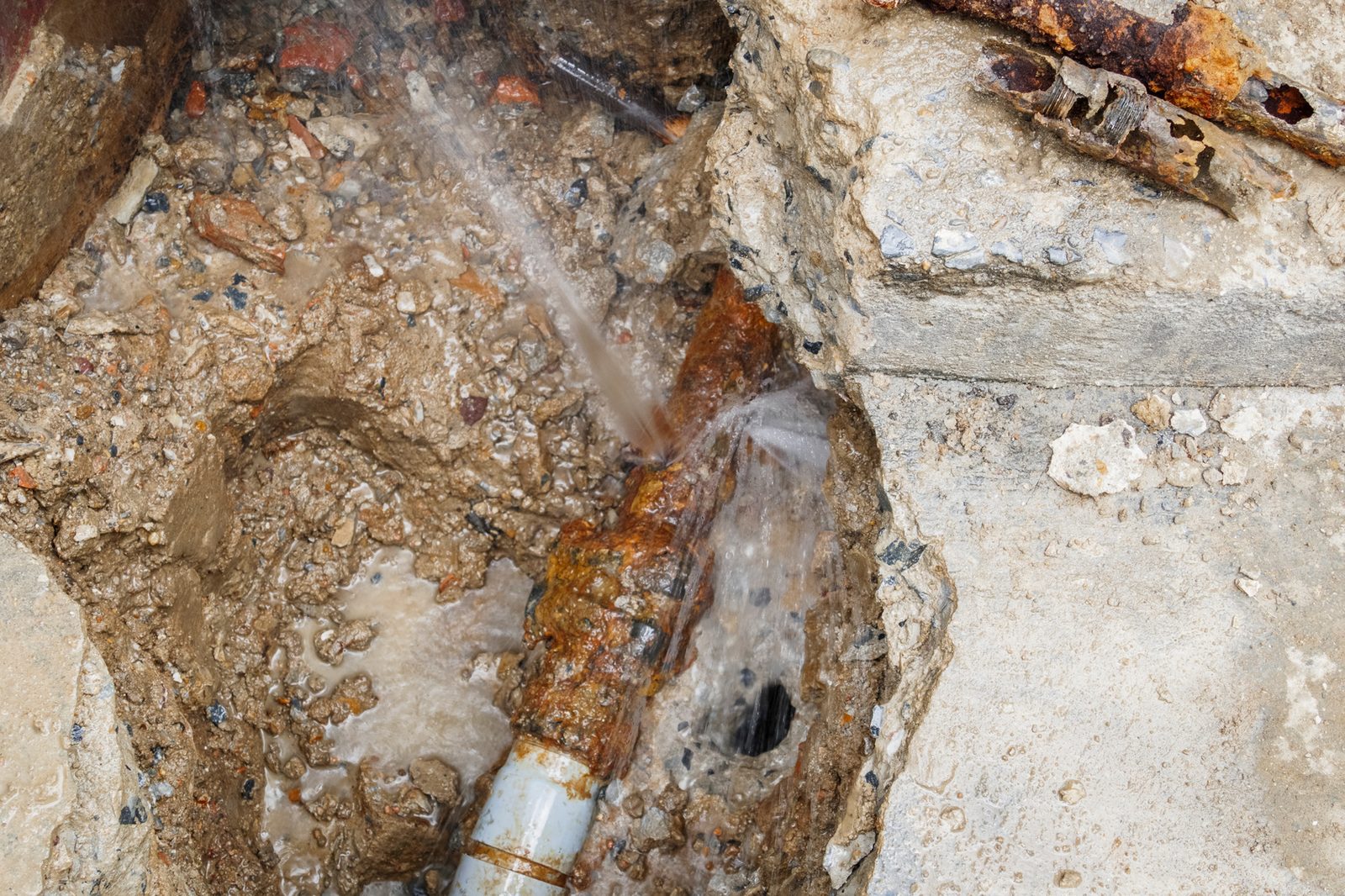
- Shut off water at the fixture valve or the main shut-off before anything else.
- Arizona's insurance department advises renters to check with their landlord before any repair work begins.
- Take photos of the damage before plumbers or restoration contractors arrive.
- Arizona generally requires a contractor's license from the Registrar of Contractors (ROC) for plumbing work.
- The EPA says water-damaged areas should be dried in the first 24-48 hours to help prevent mold.
What to do first
- Turn off the water at the valve under the fixture, or at the main shut-off if the leak is in a wall, ceiling or slab.
- If water is near outlets, cords or a panel, stay out of the wet area and keep power off to that area if you can do it safely.
- Take photos and short videos of the leak and any damage before cleanup starts.
- Tenants: tell the landlord or property manager right away, in writing if possible.
- Call to be connected with a local plumbing provider who can check availability for the address.
Who should call an emergency plumber in Tempe when a rental has a leak?
In most Tempe rentals, the tenant reports the problem and the landlord or property manager arranges the emergency plumber. Arizona's Department of Insurance and Financial Institutions advises renters to check with their landlord before any repair work begins, so a quick call or text to the owner usually comes first.
That does not mean waiting while water spreads. A tenant can and should shut off the water, move belongings, and take photos right away. Then the owner or manager decides who comes out.
- Tenants: stop the water, document, notify the landlord in writing.
- Landlords and managers: confirm the problem, call to be connected with a local provider, and give access details.
- Out-of-town owners: keep a local contact who can meet the plumber.
What counts as a plumbing emergency in a rental home?
A plumbing emergency is anything that keeps causing damage or makes the home hard to live in until it is fixed. In a Tempe rental, that usually means a burst or leaking pipe, a sewage backup, no water at all, a leaking water heater, or the only toilet in the home not working.
Other problems can wait for a normal appointment, like a slow drain, a dripping faucet, or a running toilet that can be shut off at its valve. When in doubt, describe what you see on the call and let the provider help you sort out how urgent it is.
- Water coming through a ceiling or wall: see burst pipe repair.
- Warm spots on the floor or a meter that keeps spinning: see slab leak repair.
- Sewage coming up in a tub or floor drain: see sewer line repair.
- Water pooling around the tank: see water heater repair.
What should a tenant do first when water starts leaking?
The first job is to stop the water. Turn the small valve under the sink or toilet, or close the main shut-off for the whole home. In many Tempe houses the main is near where the water line enters the house or by the meter; in apartments, ask the manager where it is before you need it.
After the water is off, move furniture, rugs and electronics away from the wet area. Take photos and short videos. Then contact the landlord or manager and give them a clear picture: where the water is coming from, how long it has been leaking, and whether it has stopped. Our step-by-step guide on what to do when a pipe bursts covers more detail.
Need help now? Call to be connected with a local provider in Tempe who can check availability for your address.
How do landlords handle a plumbing emergency when they live out of town?
Owners who live outside the Tempe area usually rely on a local contact, such as a property manager, a trusted neighbor, or the tenant, to give the plumber access and confirm what was found. Setting this up before an emergency saves a lot of stress.
- Keep a note with the main shut-off and water heater locations and any access codes.
- Tell tenants how to reach you after hours and who can approve emergency work.
- Ask for photos and the written quote before approving work.
What should you document for insurance and your records?
Document everything before cleanup starts. Arizona's insurance department advises taking pictures of the damage before any water mitigation, plumbers or restoration contractors show up, and calling your insurance company or adjuster before calling a contractor.
Landlords and tenants often carry different policies. The owner's policy may cover the building, while a renters policy may cover the tenant's belongings. Many policies treat sudden damage differently from gradual leaks, so check your policy and document everything. Do not rely on any contractor's word about what insurance covers; verify it with your adjuster.
- Photos and videos of the leak, the damage, and the shut-off.
- The date and time the leak was found and when the landlord was told.
- Names of anyone who came out and any equipment used for drying.
- Every written quote and invoice.
How do you check that a plumbing contractor is licensed in Arizona?
Ask for the contractor's Arizona Registrar of Contractors (ROC) license number and look it up in the ROC's online contractor search. Arizona law makes it unlawful to act as a contractor without a license in good standing, unless the work falls under a specific exemption.
The residential plumbing classification is R-37, which covers installing and repairing water and gas piping, sewage systems, and plumbing fixtures. The state's handyman exemption only covers small, minor jobs under a dollar limit set in state law, and it never applies to work that needs a building permit or to a larger job split into smaller contracts. Arizona's insurance department also notes it is your right to get more than one quote.
What happens during the visit?
The visit starts with an inspection. The plumber looks at the leak or backup, checks the shut-off, and may test pressure or run a camera in a drain line to find the cause. For a hidden leak, they may use leak detection tools before opening any wall or floor.
Next, they explain what they found and the options. Sometimes that is a quick fix, and sometimes it is a choice between repairing a section and replacing a larger part of the system. You should get a written quote before any work begins. For rentals, the person who approves the quote is usually the owner or manager, so make sure they can be reached. You can read more on how a service call works.
How can landlords lower the risk of the next plumbing emergency?
The simplest steps are to make shut-offs easy to find, check water heaters and drains between tenants, and ask tenants to report small leaks early.
- Label the main shut-off and test that it turns.
- Look for rust, moisture or pooling around the water heater at each turnover.
- Run every drain and flush every toilet during move-out checks.
- Ask tenants not to pour grease down kitchen drains; see drain cleaning for common clog causes.
- Keep air conditioning drain lines clear, which the EPA lists as a way to limit indoor moisture.
What Tempe-area landlords should know about local conditions
Rentals in Tempe, Mesa, Guadalupe and South Scottsdale share the same desert weather patterns. The National Weather Service defines the Southwest monsoon as June 15 through September 30, and says flash floods are common in Arizona. Storms do not always stop on schedule: NWS Phoenix reported that the October 12-13, 2025 storms caused water rescues, street closures and overflowing washes across the Phoenix metro, with more flash flooding in the higher terrain east of Phoenix.
Water quality varies by city. Mesa's 2025 water quality report gives average hardness of about 12 grains per gallon in its City Zone and 16 grains per gallon in its Eastern and Southern Zones. Hard water can leave scale in pipes, fixtures and water heaters, so landlords with rentals in Mesa may want water heaters checked at turnover.
- After storms, check for water near doors, slab edges and drains, and take photos before cleanup.
- Arizona generally requires an ROC license for plumbing work; look up the license before approving a quote.
- The EPA says to dry water-damaged areas in the first 24-48 hours to help prevent mold.
Related pages
Questions people ask
How do I find an emergency plumber in Tempe for a rental property?
Call the number on this page to be connected with a local plumbing provider who can check availability for the rental's address. Have the address, the tenant's contact details and a short description of the problem ready.
As a tenant in Tempe, can I call a plumber myself if my landlord doesn't answer?
Check your lease first, because many leases say how emergency repairs must be handled. Arizona's insurance department advises renters to check with their landlord before repair work begins, so keep trying the landlord or manager and document each attempt while you stop the water.
What should I do first if a pipe bursts in my rental?
Shut off the water at the fixture valve or the main shut-off. Then move belongings, take photos, and tell your landlord or property manager right away.
Who pays for an emergency plumber in a rental home?
It depends on the lease and what caused the problem. The landlord and tenant should talk it through, and insurance questions should go to each person's own insurer or adjuster.
Does renters insurance cover water damage from a leak?
It may, depending on the policy. Many policies treat sudden damage differently from gradual leaks, so check your policy, call your insurer, and document everything with photos.
Should I take pictures before the plumber arrives?
Yes. Arizona's insurance department advises taking pictures of the damage before water mitigation, plumbers or restoration contractors show up.
How can I tell if a leak is an emergency or can wait until Monday?
If water keeps spreading, sewage is backing up, or you have no water or no working toilet, treat it as an emergency. A slow drip that stops when you close a valve can usually wait for a normal appointment.
How do I check if a plumber is licensed in Arizona?
Ask for the Arizona ROC license number and look it up in the Registrar of Contractors' online contractor search. Residential plumbing falls under the R-37 classification.
Can a handyman fix plumbing in my rental in Arizona?
Only for small, minor jobs under the dollar limit in Arizona's handyman exemption. The exemption does not apply to work that needs a building permit or to bigger jobs split into smaller contracts.
What happens when the plumber comes to my Tempe rental?
The plumber inspects the problem, explains what caused it and the options, and gives a written quote before work starts. The owner or manager usually approves the quote for a rental.
Can a property manager approve emergency plumbing work for me?
Yes, if your management agreement allows it. Many owners set an approval limit so the manager can act quickly in an emergency and check with the owner for larger repairs.
What if I live out of state and own a rental in Tempe?
Set up a local contact who can give the plumber access and send you photos. Keep shut-off locations, access codes and repair history in a file you can share quickly.
Why does my rental's water heater keep leaking or making noise?
Common causes include sediment and scale buildup, a failing valve, or an old tank. Hard water can leave scale in water heaters, so a plumber can check what is going on and explain repair or replacement options.
Can monsoon storms cause plumbing problems in Tempe?
Heavy storms can overwhelm drains and push water toward doors and slab edges. The monsoon runs June 15 through September 30, but storms like the October 12-13, 2025 event show heavy rain can come later too.
How fast do I need to dry out a wet floor or wall?
The EPA says to dry water-damaged areas and items in the first 24-48 hours to help prevent mold. Stop the leak first, then start drying and documenting.
What should landlords check between tenants to prevent plumbing emergencies?
Test the main shut-off, look around the water heater for moisture or rust, run every drain, and flush every toilet. Ask new tenants to report small leaks right away.
Talk to someone about your plumbing problem
Call to be connected with a local provider who can check availability for your address and explain the next step.