Hydro Jetting a Sewer Line in Tempe, AZ
Hydro jetting a sewer line in Tempe means sending a stream of very high-pressure water through the pipe to scour grease, soap, roots and buildup off the walls. It suits repeat clogs and slow drains across the house, but only after a camera check shows the pipe is sound enough to handle it.
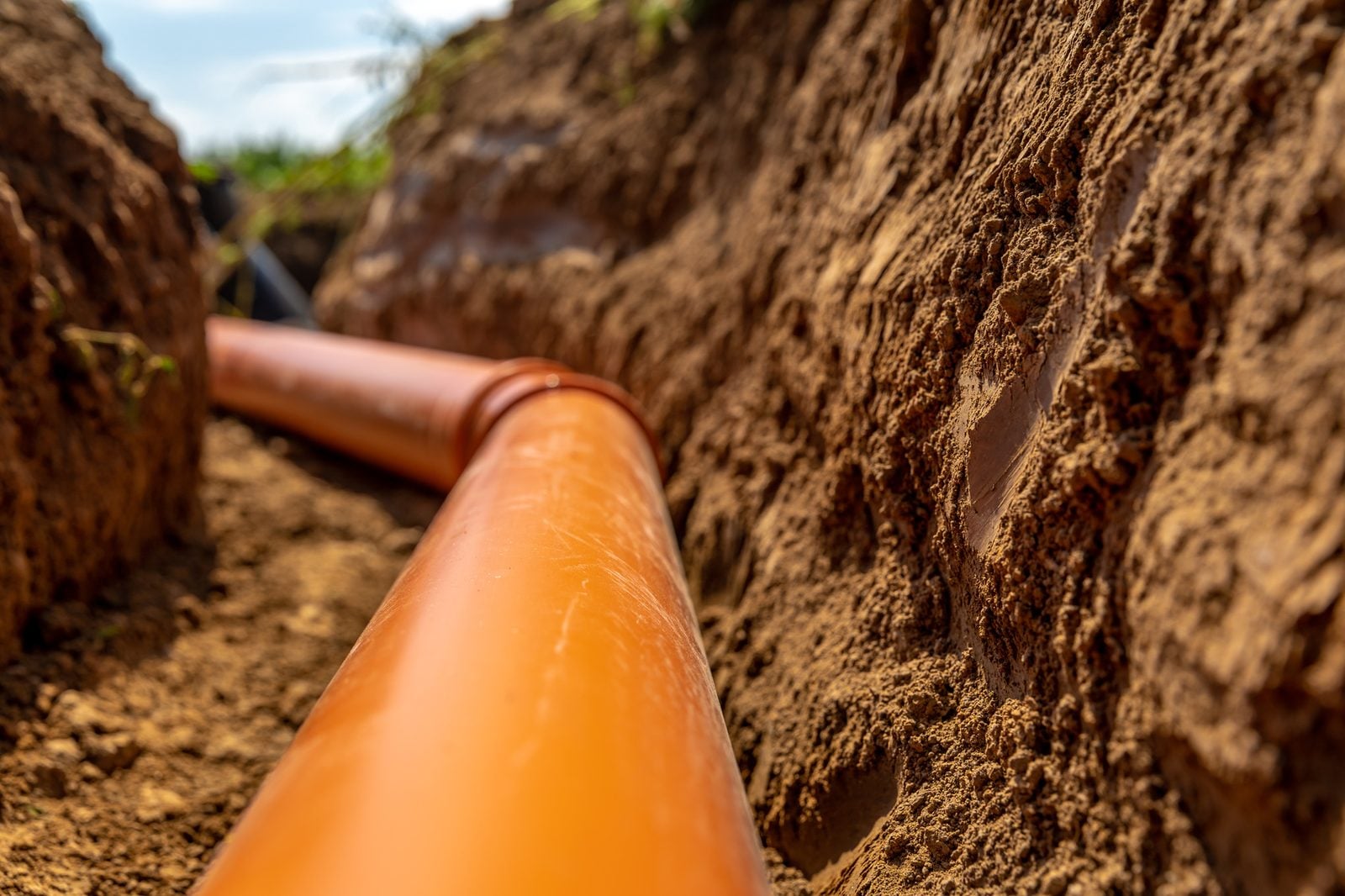
- Hydro jetting cleans the full width of a sewer pipe, while a snake mostly punches a hole through a clog.
- A camera inspection before jetting shows roots, cracks, sags or collapsed sections that change the plan.
- Jetting is usually done through an outdoor cleanout, so the work happens outside the living space.
- Badly cracked, broken or collapsed pipe is usually a repair job, not a cleaning job.
- Several slow drains at once, gurgling toilets or sewage at the lowest drain point to the main line, not one fixture.
What to do first
- Stop running water, flushing toilets, and using the washer or dishwasher until the line is checked.
- If sewage is coming up from a floor drain, shower or tub, keep people and pets away from it.
- Do not pour chemical drain cleaner into a backed-up sewer line; it can sit in the pipe and splash during cleaning.
- Find your outdoor cleanout, often a capped pipe near the house or the property line, but do not open it if the line is full.
- Take photos of any water or damage, then call to be connected with a local plumbing provider in Tempe.
What is hydro jetting a sewer line, and how does it work?
Hydro jetting a sewer line is a cleaning method where a hose with a special nozzle is fed into the pipe, usually through a cleanout, and very high-pressure water sprays backward and forward. The forward jet breaks up the blockage. The rear jets scrub the pipe walls and pull the hose along.
Because the water hits the whole inside of the pipe, it removes the coating of grease, soap scum, food waste and fine roots that a narrow cable leaves behind. That is why many Tempe homeowners consider jetting when a line keeps clogging after it was cleared once.
Hydro jetting vs. snaking: which one does my sewer line need?
A snake, also called an auger or cable, is often the first step for a single hard clog because it can bore through quickly. Hydro jetting is usually the stronger choice when the same line clogs again and again, when grease has built up along the walls, or when fine roots keep returning.
- Snaking fits: one recent clog, a toilet or tub that backs up once, or a foreign object close to the drain.
- Hydro jetting fits: repeat backups, heavy grease from a kitchen line, sludge along the whole run, or roots that have been cut before and grew back.
- Neither fits: a pipe that is collapsed, separated or badly broken. That needs sewer line repair.
Many providers use both: a cable to open the line, then a jetter to clean it.
What signs mean a Tempe sewer line may need hydro jetting?
The clearest sign is a clog that comes back within weeks or months after a snake cleared it. Other signs point to the main line rather than one fixture, which is where jetting does the most good.
- Two or more drains are slow at the same time, such as a tub and a toilet.
- A toilet gurgles or bubbles when the washer drains or a sink empties.
- Water or sewage shows up in the shower, tub or floor drain at the lowest point of the house.
- A sewer smell in the yard or near the cleanout.
- Grease-heavy kitchen drains that slow down again soon after cleaning.
If only one sink is slow, start with simple drain cleaning instead.
Need help now? Call to be connected with a local provider in Tempe who can check availability for your address.
Is hydro jetting safe for older or damaged sewer pipes?
Hydro jetting is usually safe for a sewer pipe that is in fair shape, but it can make an already broken pipe worse. Pressure and nozzle choice can be adjusted for older pipe, which is one reason the line should be checked first.
A pipe with large cracks, missing sections, a heavy sag holding water, or a joint that has pulled apart is a poor candidate. Jetting it may wash soil into the line or open a weak spot further. In those cases the camera footage usually leads to a repair or replacement conversation instead of a cleaning.
Why is a camera inspection usually done before hydro jetting?
A camera inspection lets you see what is actually inside the sewer line before anyone decides how to clean it. A small waterproof camera on a flexible cable is pushed through the pipe, and the video shows clogs, roots, grease, cracks, offsets and low spots.
The footage answers two questions: is jetting the right tool, and is the pipe strong enough for it? Ask for a copy of the video and a plain explanation of what it shows.
Can hydro jetting clear tree roots and grease from a sewer line?
Yes, hydro jetting can clear grease and fine to medium tree roots from a sewer line, and it often does a more complete job on grease than a cable. Thick, woody roots may need a cutting head on a cable first, with jetting after to flush the pieces.
Keep in mind that roots get into a pipe through a crack or a loose joint. Jetting removes the roots, but the opening that let them in is still there, so they can return. If roots keep coming back, ask whether a spot repair or lining is worth discussing for that section of pipe.
How often should a sewer line be hydro jetted?
Most homes do not need routine hydro jetting at all. It makes sense on a schedule only for lines with a known problem, such as recurring roots, a long run with a slight sag, or a busy kitchen line that builds grease quickly.
A camera check after jetting gives a baseline. If later inspections show buildup returning in the same spot, that pattern tells you how often cleaning is worth it.
What happens during the visit?
The visit usually starts with questions about which drains are slow and when the problem began, followed by an inspection. The provider locates the cleanout, may run a cable to relieve a full line, and often runs a camera through the pipe to check its condition.
Next, they explain what they found and the options, such as cable clearing, hydro jetting, a follow-up camera check, or repair of a damaged section. You get a written quote before work begins, so you can compare options and ask questions first.
What should Tempe-area homeowners know about sewer lines, hard water and storms?
Cities around Tempe report hard water, and hard water leaves mineral scale behind. The City of Phoenix says hard water can cause scaling in pipes and water heaters, and Scottsdale says scale can clog faucets, aerators and, in rare cases, pipes. Scottsdale Water lists about 22 to 25 grains per gallon south of Indian School Road, which covers much of South Scottsdale. Mesa's 2025 report gives averages of about 12 grains per gallon in its City Zone and 16 in its Eastern and Southern Zones, and Chandler's FAQ lists a citywide average of 16.5 grains per gallon. Scale mixed with grease and soap can add to the coating a jetter is designed to remove.
Storm season matters too. The National Weather Service defines the Southwest monsoon as June 15 through September 30. In October 2025, NWS Phoenix reported storms that caused overflowing washes and flash flooding in the metro and east of Phoenix, including a water rescue along Weekes Wash in Apache Junction. If a sewer backup happens during heavy weather in Tempe, Mesa, Guadalupe or Ahwatukee, stop using water and document what you see.
The Arizona Department of Health Services lists backed-up sewers among indoor moisture sources that can lead to mold, and says to remove the moisture source first before cleanup.
Related pages
Questions people ask
What is hydro jetting a sewer line?
Hydro jetting a sewer line uses a hose and nozzle that spray very high-pressure water to scrub grease, roots and buildup off the inside of the pipe. In Tempe it is usually done through an outdoor cleanout.
Is hydro jetting better than snaking a sewer line?
It depends on the problem. Snaking is quick for one clog, while hydro jetting cleans the whole pipe wall and tends to work longer on repeat clogs, grease and fine roots.
Can hydro jetting damage my sewer pipe?
It can if the pipe is already cracked, broken or collapsed. That is why a camera inspection before jetting is common, so the pressure and nozzle can be matched to the pipe's condition.
Do I need a camera inspection before hydro jetting my sewer line?
It is strongly recommended. The camera shows whether the line is clogged, root-filled or damaged, which decides whether jetting is safe and whether it will actually solve the problem.
Will hydro jetting get rid of tree roots in my sewer line for good?
No, jetting removes the roots but not the crack or loose joint they grew through. Roots can return, so ask about repairing that section if they keep coming back.
How do I know if my main sewer line is clogged and not just one drain?
Look for several drains acting up together, a toilet that gurgles when the washer drains, or water coming up in the lowest tub or shower. One slow sink usually means a local clog.
Why does my sewer line keep clogging even after it was snaked?
A snake often punches a narrow hole through grease or roots and leaves the rest on the pipe walls. The line narrows again quickly, which is a common reason people switch to hydro jetting.
Is hydro jetting messy? Will water come into my house?
Jetting is normally done from an outdoor cleanout, and the water flows down the line toward the street. A full backup inside the home is a separate issue to handle first.
Can hard water in the Phoenix area cause sewer line buildup?
Hard water leaves mineral scale, and Phoenix and Scottsdale both say scale can build up in pipes. In drain lines it usually mixes with grease and soap rather than causing clogs on its own.
Should I use chemical drain cleaner before calling about my sewer line?
No, it rarely clears a main line clog and can sit in the pipe. That puts anyone opening the cleanout or running a jetter at risk of splashes.
Where is the sewer cleanout on a house in Tempe?
It is often a short capped pipe sticking out of the ground near the foundation, along the side of the house, or near the property line. Some homes have more than one.
Is hydro jetting worth it for an older home?
It can be, if a camera check shows the pipe is still sound. For older lines with cracks or sags, the inspection may point to repair first and cleaning after.
How often should I hydro jet my sewer line?
Most homes only need it when a problem shows up. Lines with recurring roots, heavy grease or a known sag may benefit from a maintenance schedule based on camera findings.
Can a monsoon storm cause my sewer to back up in Tempe?
Backups can show up during or after heavy storms, and the monsoon runs June 15 through September 30. If it happens, stop using water and call to have the line checked.
Is a sewer backup in my house an emergency?
Yes, sewage inside the home should be treated as urgent. Stop using water, keep people and pets away, and call the number on this page to be connected with a local provider.
Who is responsible for the sewer line, me or the city?
It depends on where the problem is, and the split between private line and public sewer varies by city. Call your city's utility department in Tempe or nearby to confirm where your section ends.
Can hydro jetting help before I sell my house?
Yes, a camera inspection and cleaning can show buyers the line's condition. Keep the video and the written findings from the visit to share with your agent.
Who should I call for hydro jetting a sewer line in Tempe?
For hydro jetting a sewer line in Tempe, call the number on this page to be connected with a local plumbing provider who can inspect the line and explain your options.
Talk to someone about your plumbing problem
Call to be connected with a local provider who can check availability for your address and explain the next step.