Low Water Pressure in Tempe? What to Check
Low water pressure in a Tempe home usually has a simple cause, like a clogged aerator, a partly closed valve, a failing pressure regulator or a hidden leak. Start by checking whether one fixture or the whole house is weak. That answer tells you where to look next and when to call for help.
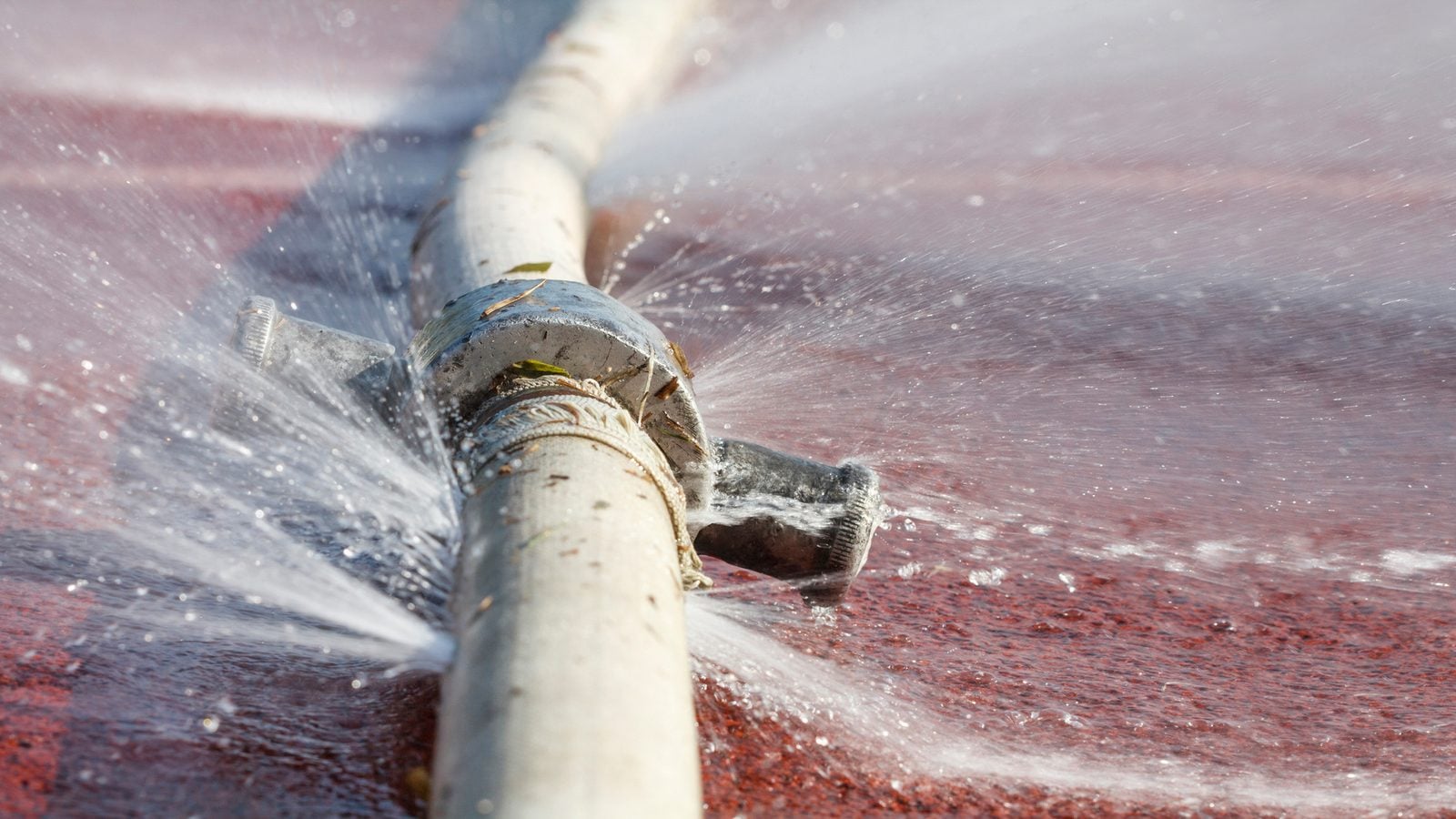
- Weak flow at one faucet usually points to that fixture; weak flow everywhere points to the main line, valve or regulator.
- Hard water can leave scale that clogs faucets, aerators and, in rare cases, pipes.
- Pressure regulators are mechanical parts that wear out, and a failing one can cause low or high pressure.
- In nearby Phoenix, the city requires a pressure regulator so household pressure stays at or below 80 psi.
- A sudden drop with a meter that keeps moving while all water is off can mean a leak.
What to do first
- Check a few faucets, inside and outside, to see if the problem is one fixture or the whole house.
- Ask a neighbor if their pressure dropped too, or check for posted water work on your street.
- Make sure the main shut-off valve and the valves under the sink are fully open.
- Turn off all water and look at the meter; if it keeps moving, a leak may be using your water.
- If you see water pooling, warm spots on the floor or a wet wall, shut off the main and call to be connected with a local plumbing provider.
Why do I suddenly have low water pressure in my Tempe home?
A sudden case of low water pressure in Tempe usually comes from one of four things: work on the city line, a valve that got bumped partly closed, a pressure regulator that failed, or a leak that is stealing water before it reaches your taps. A slow drop over months points more toward scale buildup.
Think about timing. Did it start after yard work, a water shut-off, or a repair? Did it happen at the same time for every faucet? Those details help a plumber narrow it down fast on the phone.
Is it one faucet or the whole house?
This is the most useful question to answer first. If only one faucet or shower is weak, the problem is almost always at that fixture. If every tap is weak, the cause is upstream, at the main valve, the regulator, the supply line or the city side.
- One fixture: clogged aerator or showerhead, a worn cartridge, or a kinked supply hose under the sink.
- Hot water only: often a water heater issue, such as sediment or a partly closed valve on the heater.
- Whole house: main shut-off not fully open, failing regulator, a leak, or a main water line problem.
Can hard water cause low water pressure?
Yes. Hard water leaves scale, a white or yellowish coating, inside fixtures and pipes. Over time it can clog faucets, aerators and showerheads, and in rare cases pipes. The Phoenix area has hard water, so this is a common cause of slowly weakening flow.
Start by unscrewing the aerator at the tip of the faucet and soaking it in vinegar. If flow comes back, scale was the problem. If the faucet is still weak, the cartridge or valve inside may be clogged or worn. For worn fixtures, see toilet and faucet repair.
Need help now? Call to be connected with a local provider in Tempe who can check availability for your address.
What does a pressure regulator have to do with low pressure?
A pressure regulator, also called a pressure reducing valve or PRV, sits on your side of the meter and lowers street pressure to a safe level for your home. These valves are mechanical, and they wear out. A failing regulator can cause low pressure, high pressure, or banging pipes known as water hammer.
If pressure dropped everywhere at once and nothing else changed, the regulator is a strong suspect. Adjusting or replacing one is a job for a licensed plumber, because setting it wrong can damage pipes and appliances.
Could low water pressure mean I have a hidden leak?
It can. A leak in a supply line or under the slab sends water somewhere other than your faucets, so flow at the taps drops. A leak also tends to come with other signs.
- The meter keeps moving when every tap and appliance is off.
- A water bill that jumps without a clear reason.
- Warm spots on the floor, the sound of running water, or damp walls.
- Soggy spots in the yard along the path of the main line.
If you notice any of these, a leak detection visit can find the source without guesswork.
When is low water pressure an emergency?
Low pressure becomes urgent when it comes with water where it should not be, or when you lose water almost completely. Pooling water, a wet ceiling, a hissing sound in a wall, or a meter spinning fast are all reasons to shut off the main and call right away.
If the drop is mild and the whole street is affected, it may be city work and can wait. If only one fixture is weak, it is usually a normal repair, not an emergency.
Who is responsible for fixing low water pressure, me or the city?
It depends on where the problem is. In nearby Phoenix, the city says issues from the street to the water meter are the city's responsibility, and issues after the meter are the homeowner's. Many Valley cities split it the same way, but check with your own water provider.
If neighbors have low pressure too, call your water provider first. If only your home is affected, the cause is likely on your side of the meter.
What happens during the visit?
A plumber starts with an inspection. That usually means checking pressure with a gauge at an outside spigot, looking at the main shut-off and regulator, testing several fixtures, and watching the meter for signs of a leak.
Next, the plumber explains what they found and the options, such as cleaning or replacing a fixture part, adjusting or replacing the regulator, or tracing a leak. You get a written quote before any work begins, so you can decide what to do and ask questions first.
What makes water pressure tricky in Tempe and nearby cities?
Homes in Tempe, Mesa, South Scottsdale and Chandler share hard water that builds scale in fixtures over time. Mesa's 2025 water quality report gives average hardness of about 12 grains per gallon in its City Zone and 16 grains per gallon in its Eastern and Southern Zones. Scottsdale says scale can clog faucets, aerators and, in rare cases, pipes.
Street pressure also varies. Scottsdale Water says pressure in its system ranges between 40 psi and about 120 psi because of changes in elevation, and it lends pressure gauges to customers. In Phoenix, the city requires a pressure regulator on the customer's side of the meter so pressure does not exceed 80 psi, and says pressure above 80 psi can damage pipes and appliances. That is why a worn regulator matters in Guadalupe, Ahwatukee and across the East Valley.
- In Scottsdale, the owner's cut-off valve is located next to the water meter box.
- Prescott notes that pressure regulators are the homeowner's responsibility and fail over time.
Related pages
Questions people ask
Why is my water pressure low in Tempe all of a sudden?
Sudden low water pressure in Tempe is often caused by city line work, a partly closed valve, a failing pressure regulator or a leak. Check whether every faucet is weak and ask a neighbor if theirs dropped too.
How do I fix low water pressure in my house?
Start with the easy checks: clean the aerators, make sure the main valve is fully open, and see if the issue is one fixture or the whole house. If it is whole-house and nothing obvious is wrong, call to be connected with a local Tempe plumbing provider.
Why is only my kitchen faucet low pressure?
A single weak faucet usually has a clogged aerator or a worn cartridge. Unscrew the aerator and soak it in vinegar; if that does not help, the cartridge or supply hose may need attention.
Why is my shower pressure low but the sinks are fine?
A low-pressure shower with normal sinks usually means a scaled-up showerhead or a worn mixing valve. Soak the showerhead in vinegar first, then have the valve checked if flow stays weak.
Why is my hot water pressure low but cold is fine?
Low hot water pressure with normal cold water often points to the water heater, such as sediment buildup or a partly closed valve at the tank. A Tempe plumber can check the heater and its connections.
What is normal water pressure for a house?
Many homes run comfortably below 80 psi, which is the limit the City of Phoenix uses for household pressure. A plumber can measure your Tempe home's pressure with a gauge at an outside spigot.
Can a bad pressure regulator cause low water pressure?
Yes, a failing pressure regulator can cause low pressure, high pressure or banging pipes. Regulators are mechanical parts that wear out, and adjusting one should be left to a plumber.
How do I know if my pressure reducing valve is bad?
Common signs are pressure that drops everywhere at once, pressure that swings up and down, or pipes that bang when taps close. A gauge reading at an outside spigot helps confirm it.
Can hard water in the Phoenix area lower my water pressure?
Yes, hard water leaves scale that can clog faucets, aerators and showerheads, and in rare cases pipes. It usually lowers pressure slowly over months rather than all at once.
Could low water pressure be a sign of a slab leak?
It can be, especially if the meter moves when all water is off or you notice warm spots on the floor. A leak detection visit can confirm whether water is escaping under the slab.
Is low water pressure the city's problem or mine?
If neighbors are affected too, it is likely on the city side, so call your water provider. In nearby Phoenix, anything after the meter is the homeowner's responsibility, and many Valley cities split it the same way.
Can a partly closed main valve cause low pressure?
Yes, a main shut-off that is not fully open will lower pressure throughout the house. This often happens after a repair or yard work, so check that the valve is turned all the way open.
Does low water pressure damage appliances?
Low pressure mainly makes appliances like washers and dishwashers fill slowly or show error codes. High pressure is the bigger risk, since the City of Phoenix says pressure above 80 psi can damage pipes and appliances.
Can I test my own water pressure?
Yes, a simple pressure gauge that screws onto an outside spigot gives a quick reading. Scottsdale Water even lends gauges to its customers, and hardware stores sell them.
Why did my water pressure drop after a plumbing repair?
Debris knocked loose during a repair can clog aerators and valves, or a valve may have been left partly closed. Clean the aerators and check the valves first, then call if the problem stays.
Should I call a plumber for low water pressure in Tempe?
Call if the whole house is weak, if pressure keeps changing, or if you see signs of a leak. For low water pressure in Tempe, call the number on this page to be connected with a local plumbing provider.
Will a water softener fix low water pressure?
A softener does not raise pressure, but it can slow new scale buildup in fixtures. Existing clogs still need cleaning, and a softener that is undersized or clogged can reduce flow on its own.
Why is my outside hose pressure fine but inside is weak?
Outside spigots often connect before the pressure regulator or softener, while indoor lines run through them. Weak indoor flow with strong outdoor flow can point to the regulator, softener or an indoor clog.
Talk to someone about your plumbing problem
Call to be connected with a local provider who can check availability for your address and explain the next step.