Underground Drain Cleaning Service in Tempe
An underground drain cleaning service clears the buried pipes that carry roof and yard water away from a Tempe home. Monsoon runoff packs those lines with silt, leaves and grit, so water backs up at the downspout or pools by the walls. Fall is a good time to clear them before the next storm.
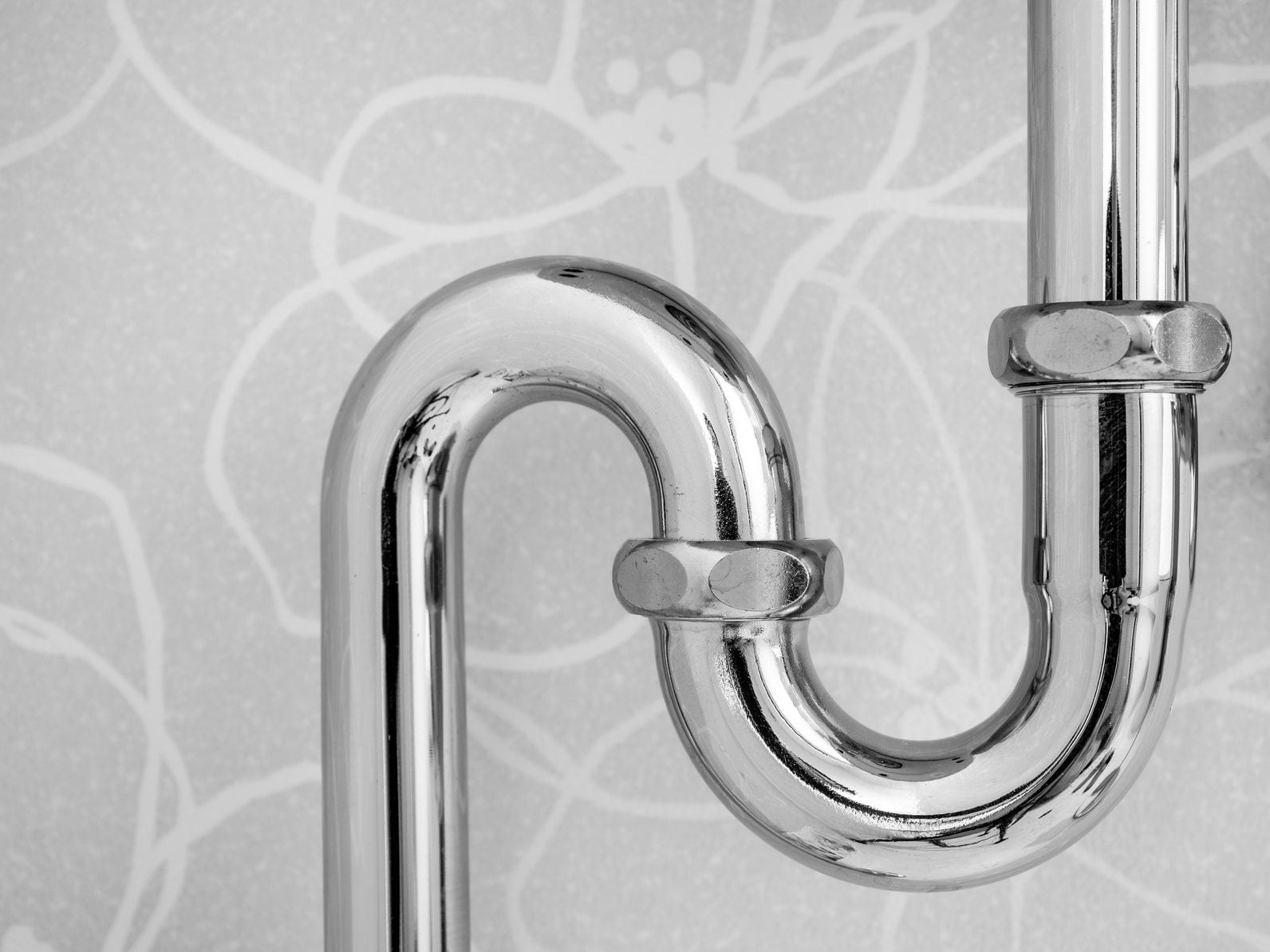
- Underground drains include buried downspout lines, yard and patio drains, and the sewer line that leaves the house.
- Storm runoff carries silt, sand, leaves and gravel that settle in low spots of a buried pipe.
- A camera check shows whether a line is clogged, crushed, or invaded by roots before anyone picks a cleaning method.
- Clearing drains after the monsoon season helps them handle later storms, like the October 2025 rains in the metro.
- Water pooling against a slab or wall should be moved away from the house as soon as it is safe to do so.
What to do first
- If water is pooling against the house, gently sweep or pump it toward the yard or street, away from the walls.
- Pull the downspout off its buried drain pipe and point it onto open ground so roof water stops feeding the clog.
- Do not pour chemical drain cleaner into a yard drain or downspout line.
- Take photos of any standing water or wet walls, then call (480) 439-0083 to be connected with a local provider in Tempe.
What does an underground drain cleaning service actually clean?
An underground drain cleaning service clears pipes you cannot see: the buried lines that run from downspouts, yard drains, patio drains and channel drains out to the yard or curb. Some providers also clear the main sewer line.
These storm lines are usually thin plastic pipe laid a few inches to a foot or more under the soil. In the desert they sit dry most of the year, so debris often stays put between storms.
Why do monsoon storms clog underground drains in Tempe?
Monsoon storms clog underground drains because heavy, short bursts of rain wash a lot of loose material into the pipes at once. Roof grit, palm and tree debris, gravel from desert landscaping, and fine dust all ride the runoff into the drain.
Once the water slows, that material settles in bends and low spots. Dust storms can also coat roofs and yards with fine soil that rinses into gutters with the first rain. After a few storms, the next downpour backs up at the inlet.
What are the signs my underground gutter drain is clogged?
The most common sign is water spilling out of the top of a downspout or bubbling up at the joint where it meets the buried pipe. Other signs show up around the yard and the house.
- Water pools near a downspout or along a wall after rain.
- A yard or patio drain grate holds standing water long after the storm ends.
- Mud, silt or a sunken spot shows up along the path of the pipe.
- The outlet at the curb or yard edge stays dry even during heavy rain.
- Damp stains or efflorescence (white crust) appear low on a block or stucco wall.
Need help now? Call to be connected with a local provider in Tempe who can check availability for your address.
How does an underground drain cleaning service clear a buried line?
Most buried storm lines are cleared with a drain cable (snake), a water jetter, or both. A cable breaks up packed mud and roots. A jetter uses pressurized water to flush silt and sand out of the whole length of the pipe.
Thin plastic drain pipe can be cracked by the wrong tool, so the provider usually chooses the nozzle and pressure based on the pipe type. For main sewer lines with heavy buildup, see how hydro jetting a sewer line compares with snaking.
Is it a storm drain clog or a sewer line problem?
If the backup only happens outside during rain, it is usually a storm drain line. If toilets gurgle, tubs drain slowly, or sewage shows up in a floor drain or shower, the problem is more likely the sewer line.
The two systems should not be connected, but heavy runoff can still find a way into a cracked sewer line or an open cleanout. Our guide on a clogged drain or sewer line walks through how to tell them apart, and sewer line repair covers damaged pipe.
When should underground drains be cleaned in the Phoenix area?
A good time is in the fall, after the monsoon season ends, and again in late spring before the next one starts. Fall cleaning removes the silt and debris left by summer storms. Spring cleaning catches leaves, blossoms and dust that built up over the winter.
Storms do not always stop on September 30. The October 2025 rains showed that heavy runoff can arrive after the monsoon season ends, so a clear line in November is not wasted effort.
Can I clean a buried downspout drain myself?
You can often clear a short, shallow downspout line yourself with a garden hose or a small hand snake fed in from the outlet end. Start at the outlet, because pushing debris back toward the house can pack the clog tighter.
Stop and call if the line is long, deep, or runs under a patio or driveway, if water will not move at all, or if you find roots or broken pipe.
What happens during the visit?
The visit starts with questions about where water backs up and when it started, followed by an inspection of the downspouts, grates, outlets and any cleanouts. Many providers run a small camera through the line to look for silt, roots, cracks or a crushed section.
Next, they explain the options, such as cable clearing, jetting, a repair to a broken section, or rerouting a downspout. You get a written quote before any work begins, so you can ask questions and compare choices first. Call (480) 439-0083 to be connected with a local provider.
How do monsoon rains affect drains in Tempe and nearby cities?
The National Weather Service defines the Southwest monsoon as June 15 through September 30, with most storm activity in July and August. NWS says Phoenix averages 2.43 inches of precipitation during the monsoon, out of a yearly average of 7.22 inches at Sky Harbor. That means a large share of the year's rain can fall in a few intense storms, which is hard on drains that sit dry for months.
NWS also says flash floods are common in Arizona. On one day in late September 2025, Sky Harbor received 1.64 inches of rain, its highest one-day total since October 2018. In October 2025, NWS Phoenix reported overflowing washes in the metro and flash flooding east of Phoenix, including a water rescue along Weekes Wash in Apache Junction.
Homes in Tempe, Mesa, Chandler, Gilbert and Apache Junction all deal with the same pattern: long dry spells, then sudden runoff. If water pools by your walls after a storm, the Arizona Department of Health Services lists flooding among indoor moisture sources and says to remove the moisture source first before cleanup.
Related pages
Questions people ask
What is an underground drain cleaning service?
An underground drain cleaning service in Tempe clears buried pipes like downspout lines, yard drains and patio drains, and sometimes the main sewer line. It removes silt, leaves, gravel and roots so storm water can flow away from the house again.
Who do I call for underground drain cleaning in Tempe?
In Tempe, call (480) 439-0083 to be connected with a local plumbing provider who can clear buried drain lines. Describe where the water backs up so the right equipment comes along.
How do I know if my underground gutter drain is clogged?
In Tempe, the clearest sign is water overflowing from the downspout or pooling at its base during rain. A dry outlet at the yard edge during a storm is another strong clue.
Why does my downspout overflow at the bottom when it rains?
A downspout that overflows at the bottom in Tempe usually means the buried pipe below it is packed with silt or debris. The roof water has nowhere to go, so it spills out at the joint.
Can monsoon rain wash dirt into my underground drains?
Yes. In Tempe, monsoon downpours wash roof grit, landscape gravel, leaves and fine dust into buried drains, and that material settles in low spots once the water slows.
How often should underground drains be cleaned in Arizona?
Many Tempe homeowners have buried drains checked once a year, ideally in the fall after the monsoon ends. Lines under trees or desert landscaping may need attention more often.
Can tree roots get into a yard drain pipe?
Yes, roots can enter a yard drain pipe in Tempe through cracks or loose joints, especially near thirsty trees. Cleaning removes the roots, but the opening that let them in may need repair.
Will a plumber use a camera to check my underground drain?
Often, yes. A Tempe provider may run a small camera through the buried line to see clogs, roots, cracks or crushed pipe before choosing how to clear it.
Should I use chemical drain cleaner in a yard drain?
No. In Tempe, chemical drain cleaner does little against silt and gravel, and it can sit in the pipe and splash when someone later clears the line.
Is a clogged yard drain connected to my sewer line?
Usually not. Storm drains and the sewer line in a Tempe home should be separate, but a cracked sewer line or open cleanout can let runoff in during heavy rain.
What should I do before the next monsoon season to protect my drains?
Before the next monsoon in Tempe, clear gutters, check that buried drain outlets are open, and have any slow lines cleaned. Spring is a good time for this check.
Does homeowners insurance cover damage from storm runoff?
It depends on your policy, so check it and talk to your insurer. FEMA says most homeowners policies do not cover flood damage, and Tempe homeowners should take photos before any cleanup.
Should I take pictures before the drain is cleaned?
Yes. Arizona's Department of Insurance and Financial Institutions advises taking pictures of damage before plumbers or contractors arrive, which helps if you file a claim in Tempe.
Why is my patio drain full of standing water days after it rained?
A Tempe patio drain that holds water for days usually has silt or debris settled in the pipe below the grate. It can also mean the outlet is buried or the pipe has sagged.
Do underground drains need cleaning even if it barely rains in Tempe?
Yes. Tempe drains sit dry most of the year, so debris from one storm stays put until the next, and a few storms can fill a line without anyone noticing.
Talk to someone about your plumbing problem
Call to be connected with a local provider who can check availability for your address and explain the next step.